The Cave of Saint Ignatius
The Cave of Saint Ignatius is a religious architectural complex in which Saint Ignatius of Loyola secluded himself to carry out exercises of prayer and penance during his stay in Manresa between 1522 and 1523.
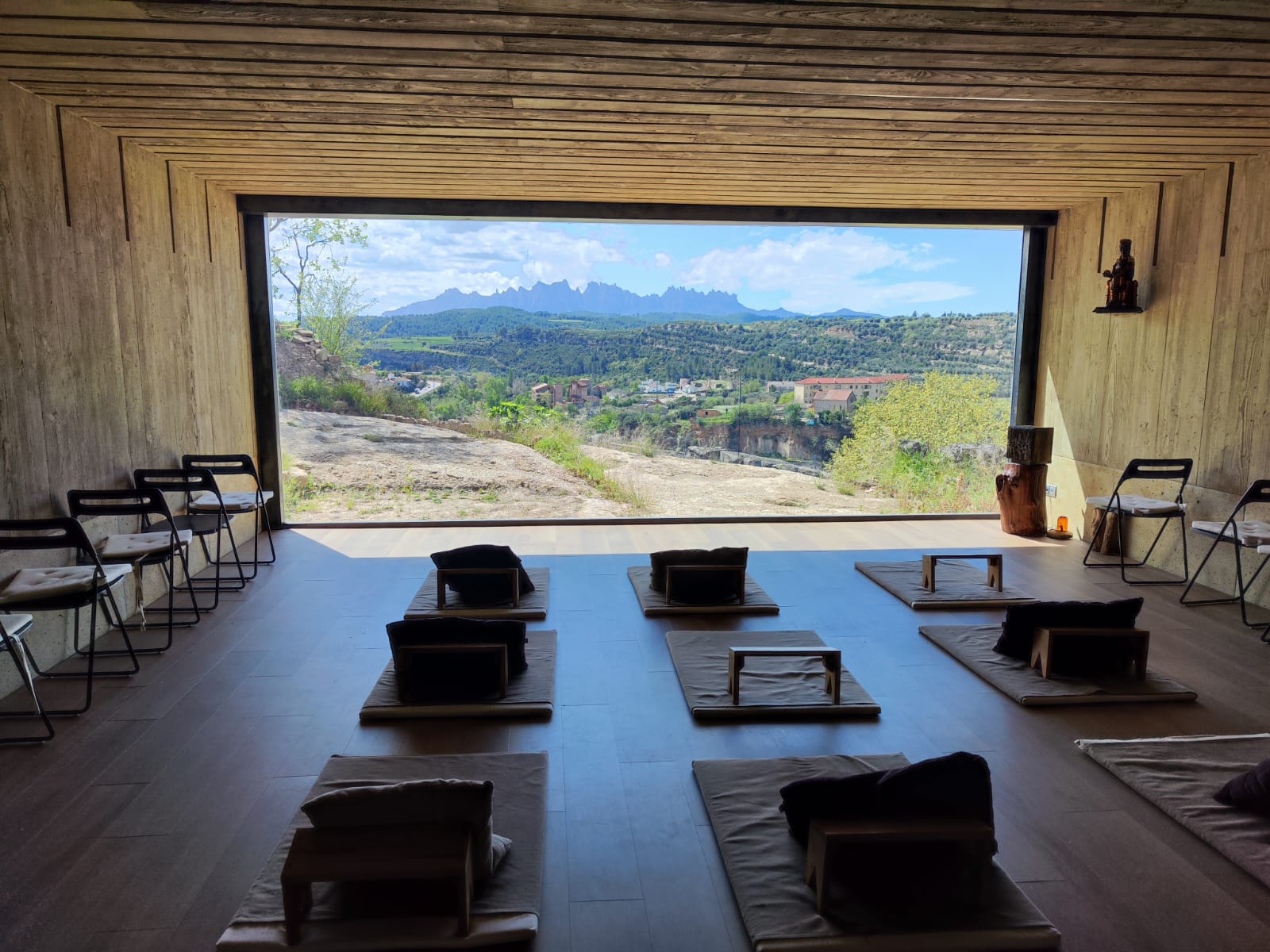
Over the years, the complex has undergone several expansions, the most recent of which has been the House of Spiritual Exercises attached to the church. Due to the religious and historical importance of the place, it is likely that both in the subsoil and in its surroundings it contains material remains or some possible necropolis.
Typology/Elements
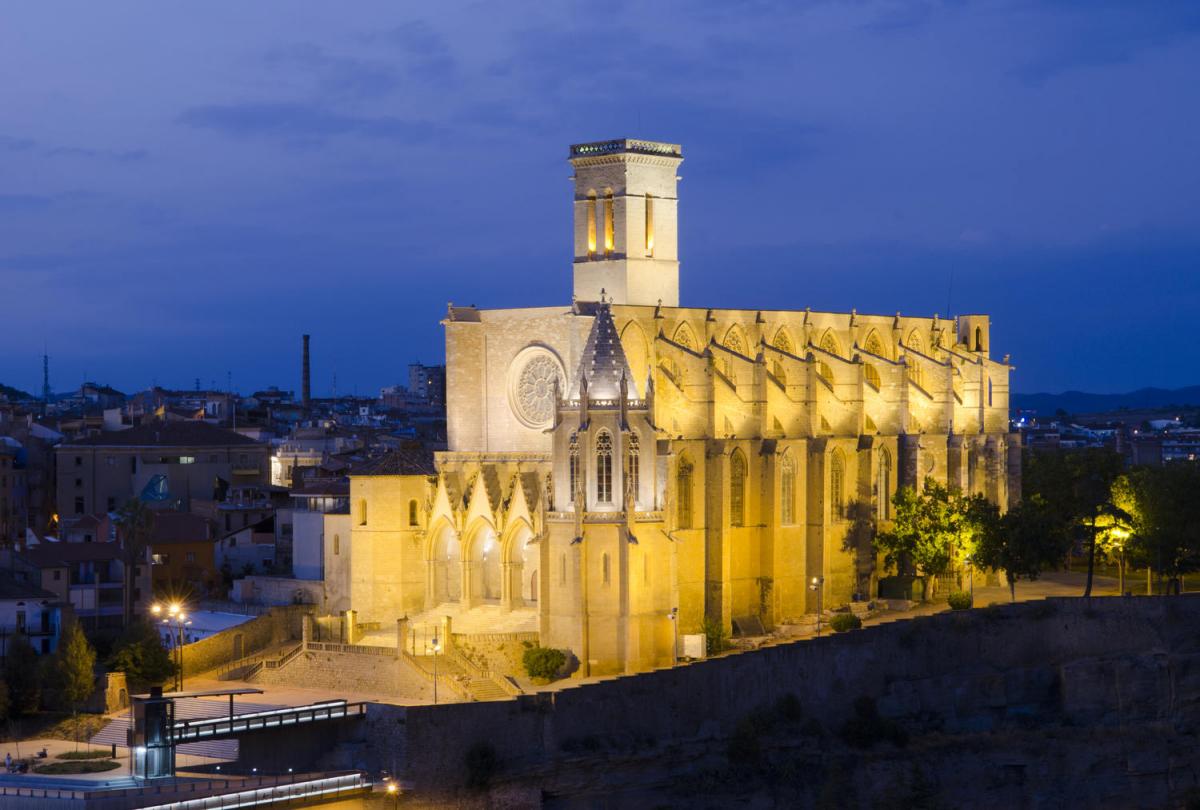
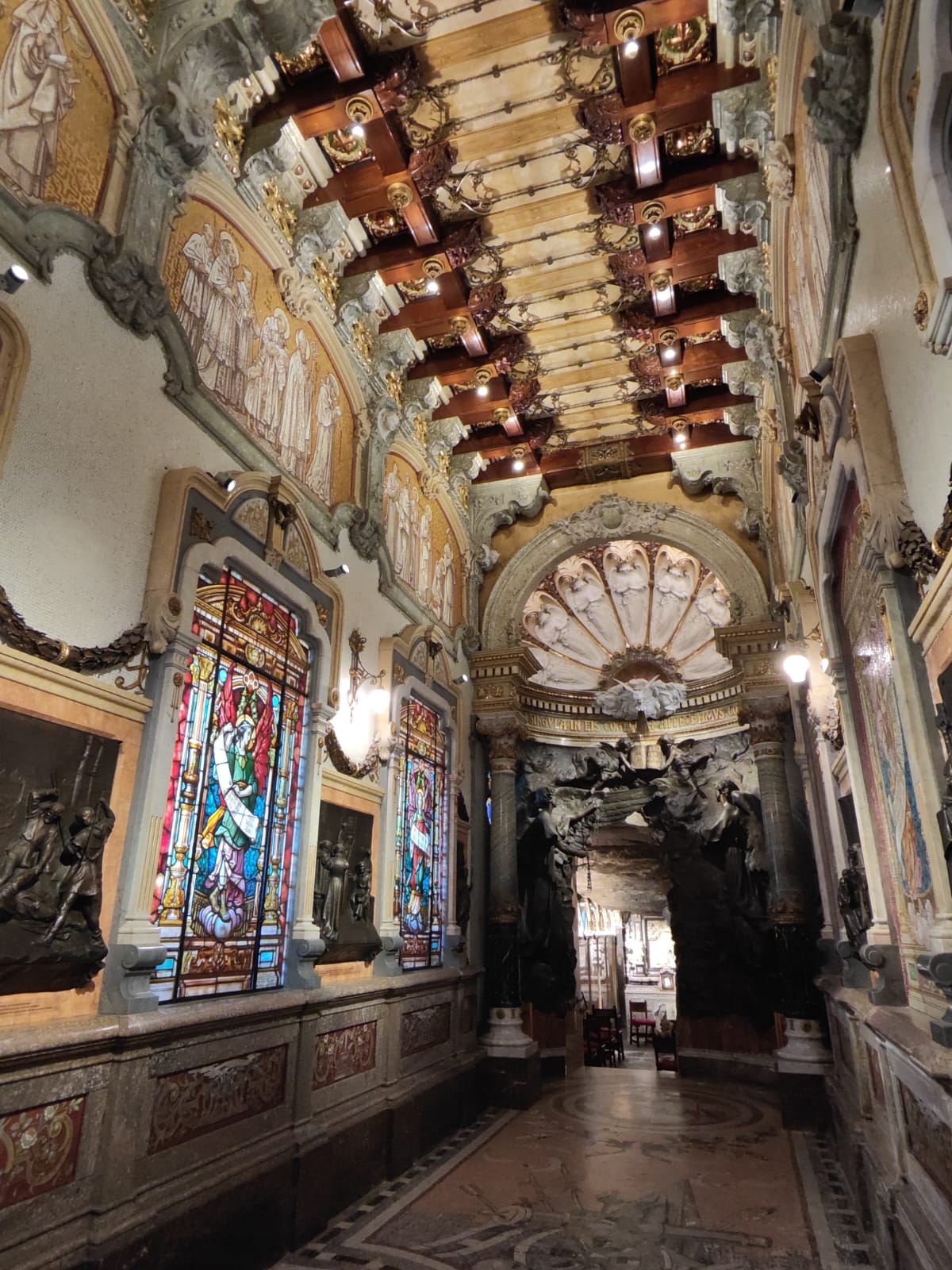
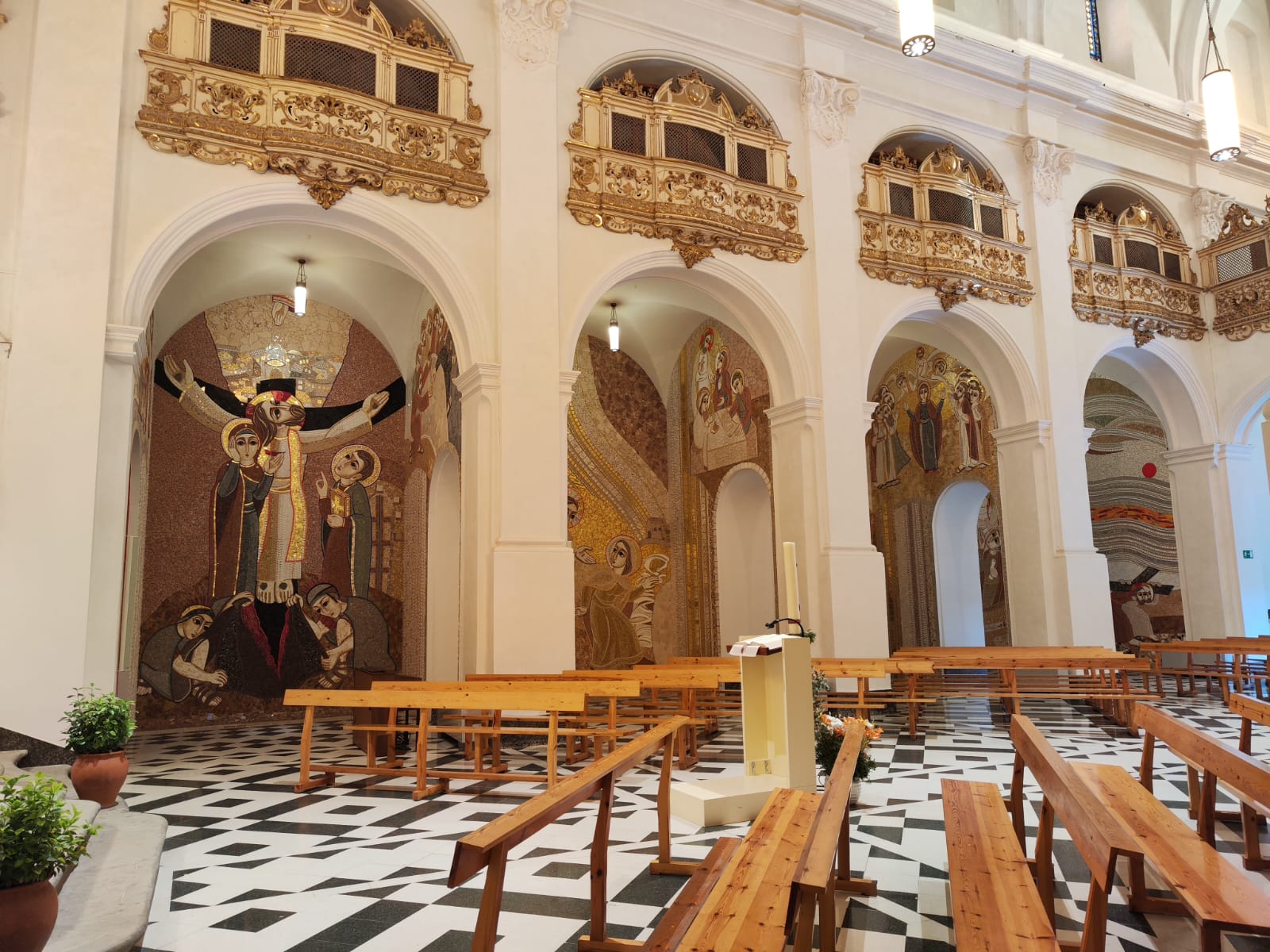
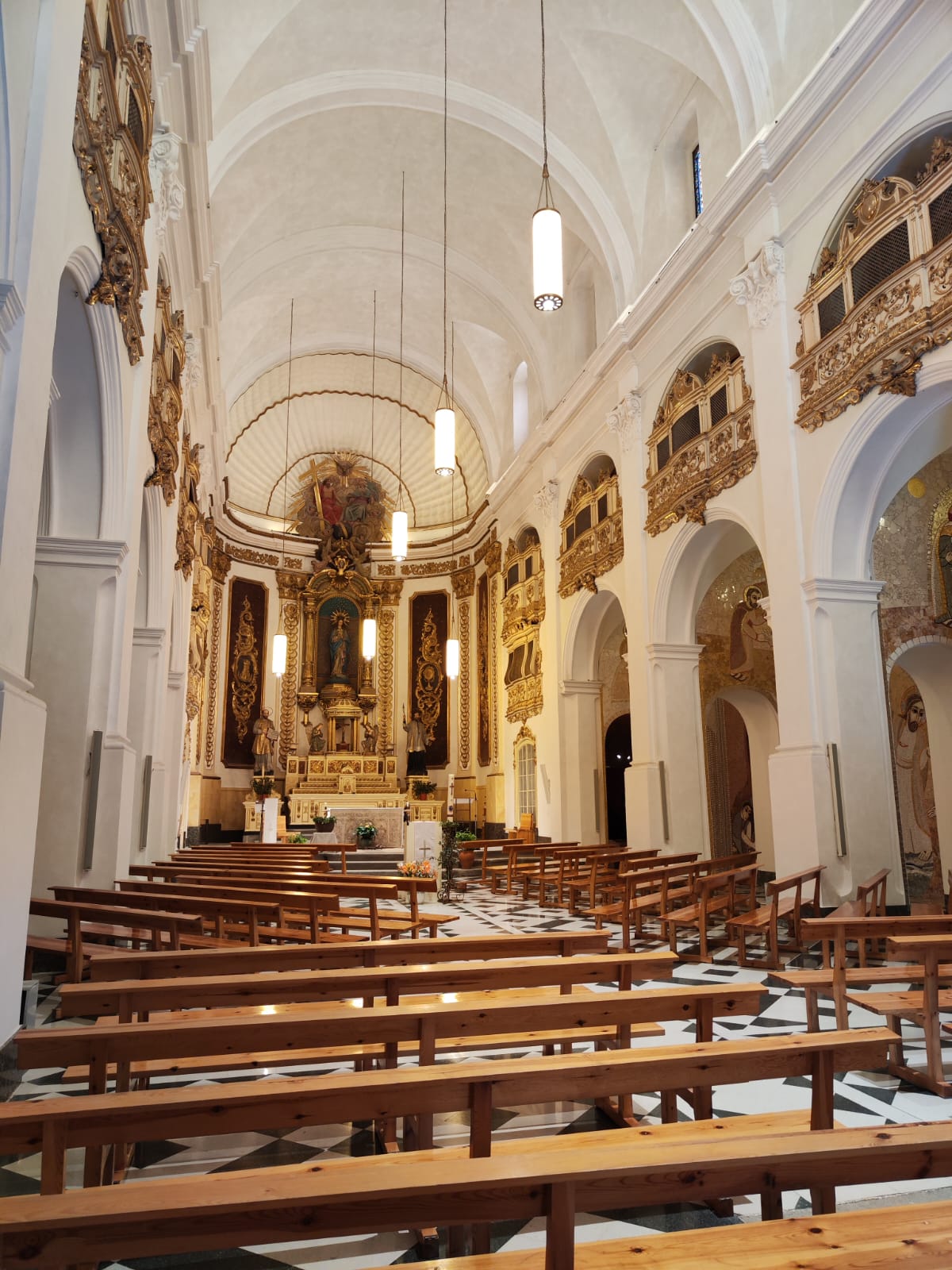
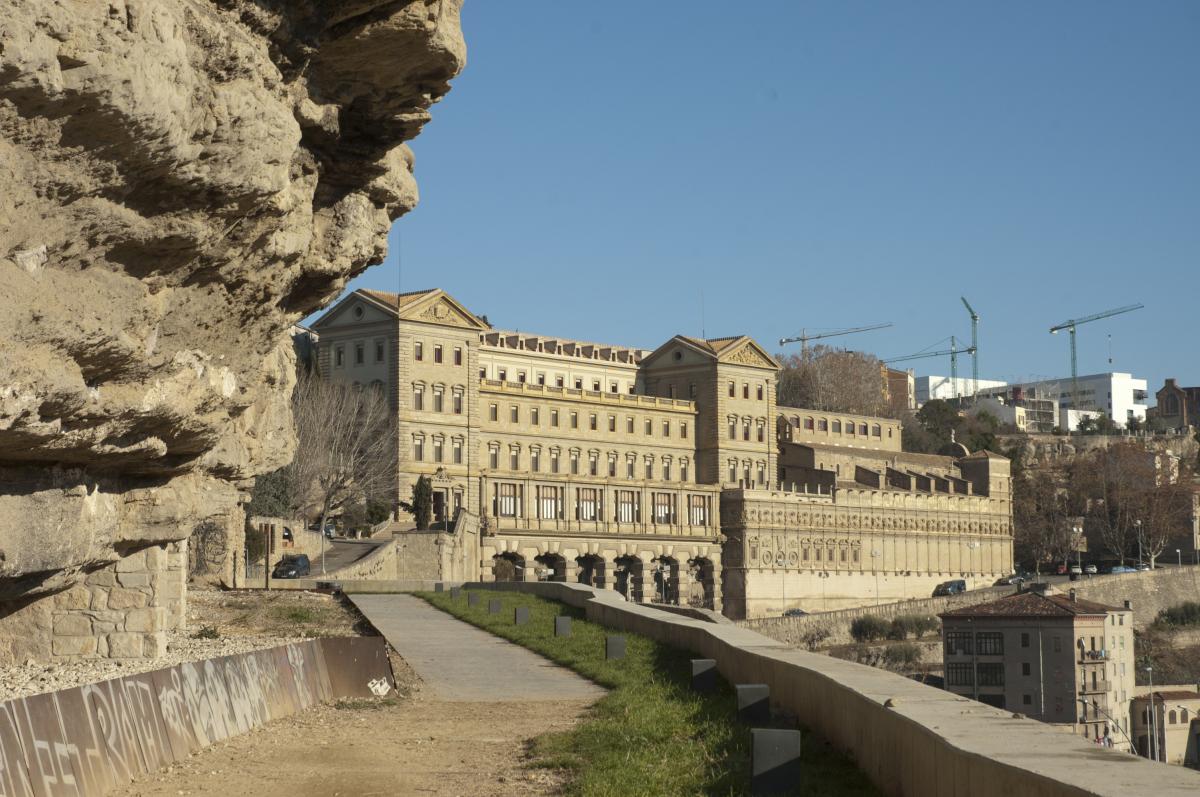
The Cave of Sant Ignasi is an architectural complex consisting of a Baroque church plus the modern and enormous neoclassical building next to it, which together with the Romanesque Old Bridge and the Gothic silhouette of the Seu forms one of the classic images of the entrance to the city of Manresa.
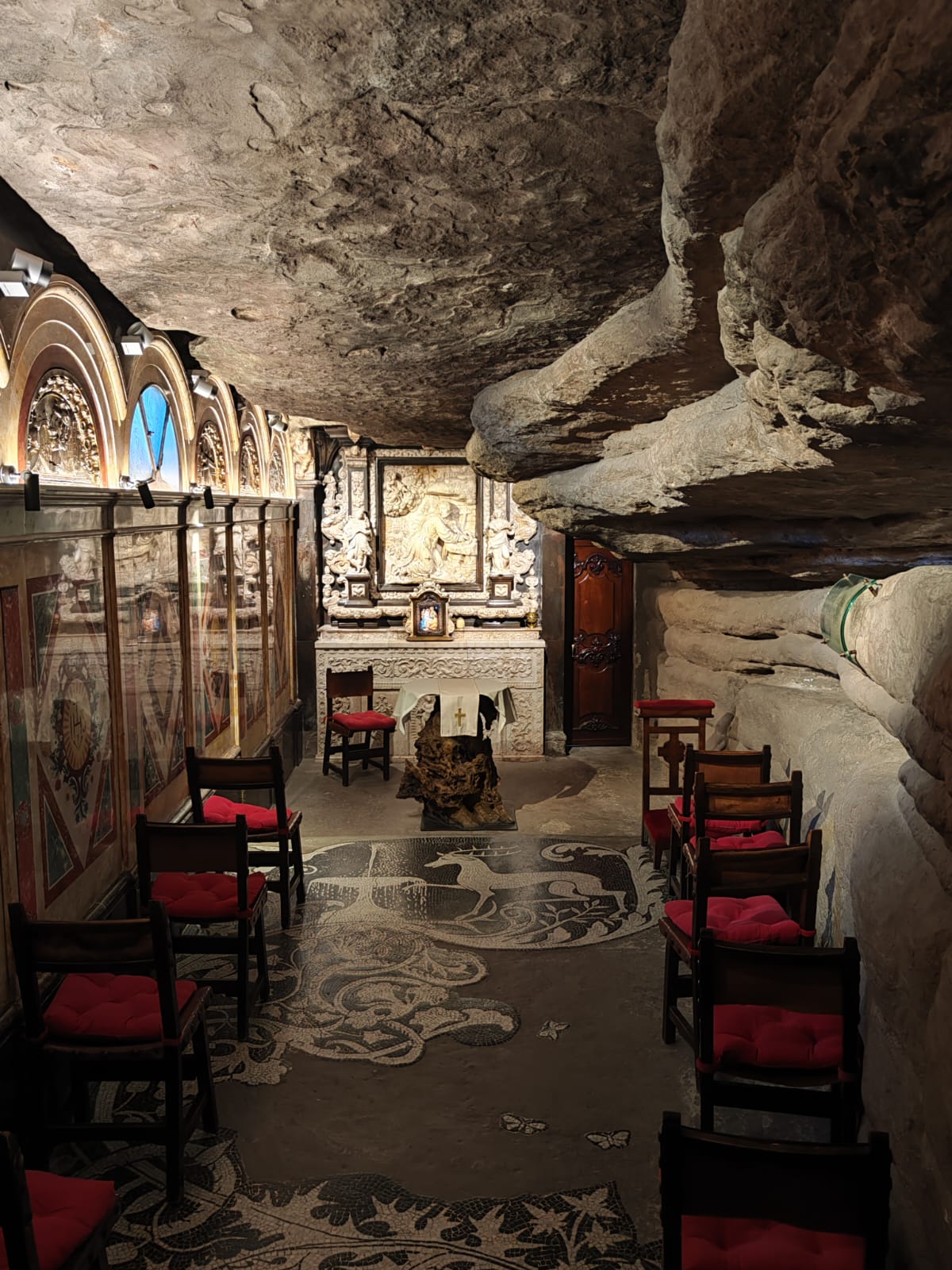
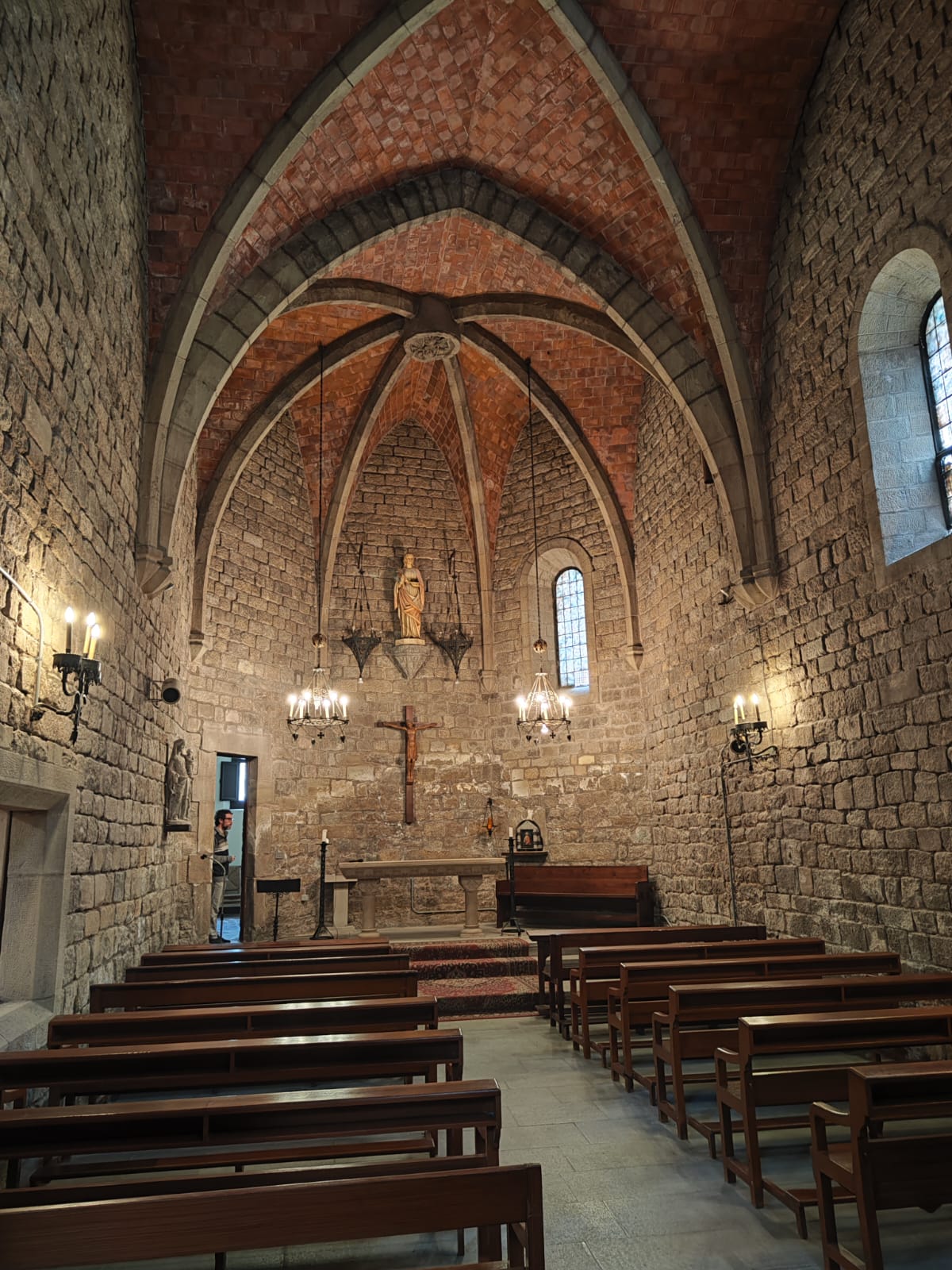
Built on the hill of Sant Bartomeu in one of the caves formed by the erosion of the waters of the Cardener, where, according to tradition, Saint Ignatius of Loyola withdrew to pray and do penance during his stay in the city from March 25, 1522 to early February 1523, and where he wrote the essential parts of the Spiritual Exercises. This fact is expressed in an alabaster altarpiece by Joan Grau (17th century), which is preserved in the little cave and shows the figure of the Saint writing the Spiritual Exercises in Manresa.
Conservation status
- Exterior: Good
- Interior: Good