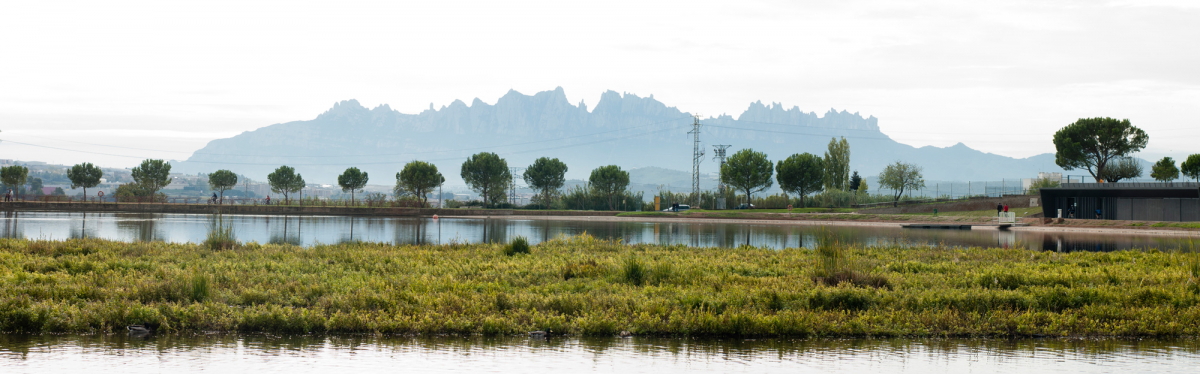
The Sequia
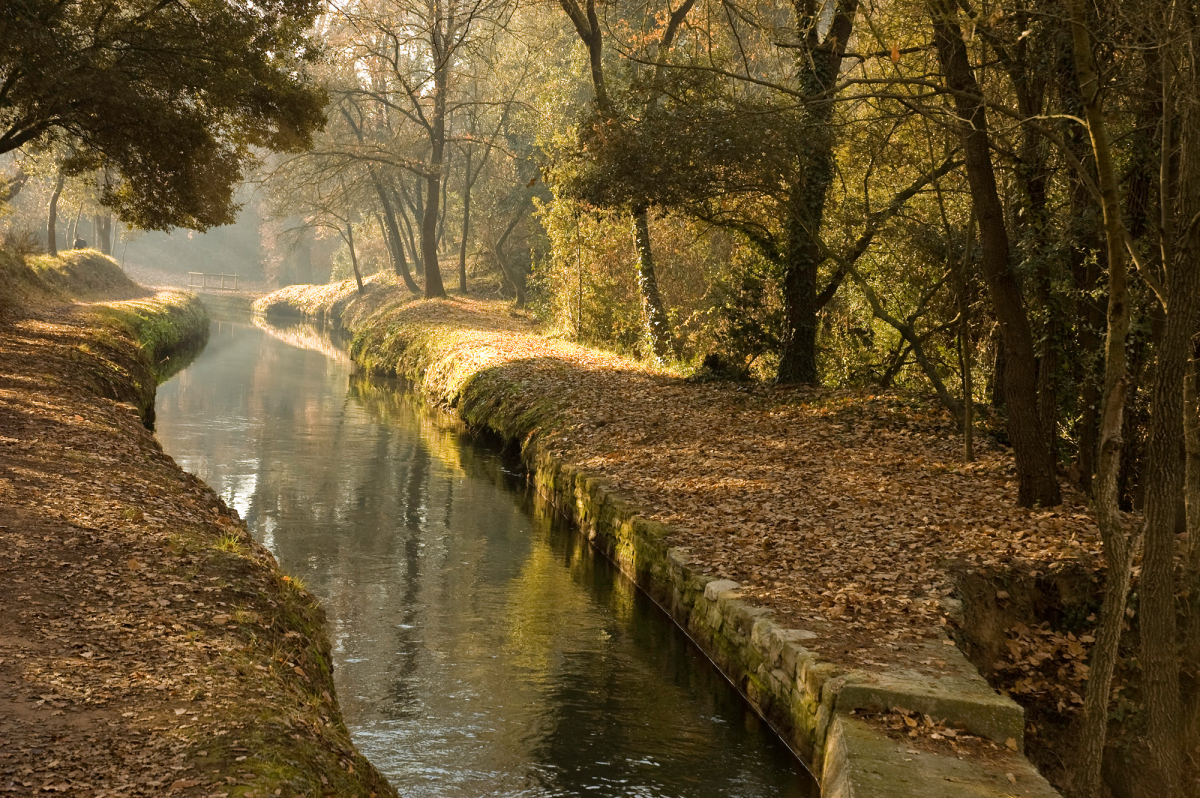
The Sèquia originates from the Llobregat River, a medieval civil engineering work (14th century: 1339-1377) spanning 26.7 kilometers that brings water to Manresa, passing through municipalities such as Balsareny, Sant Fruitós, and Santpedor. Its water is used to irrigate gardens, supply dyeing industries, and serve a population of more than 80,000 inhabitants.
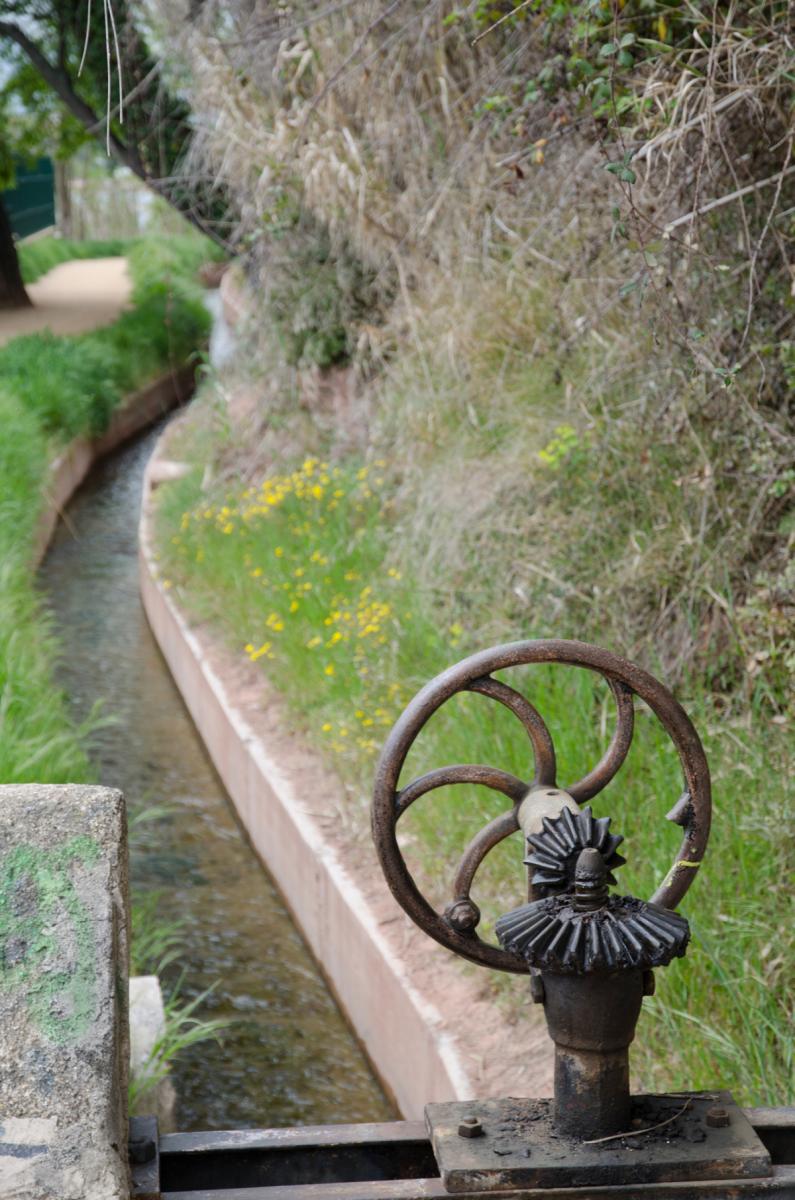
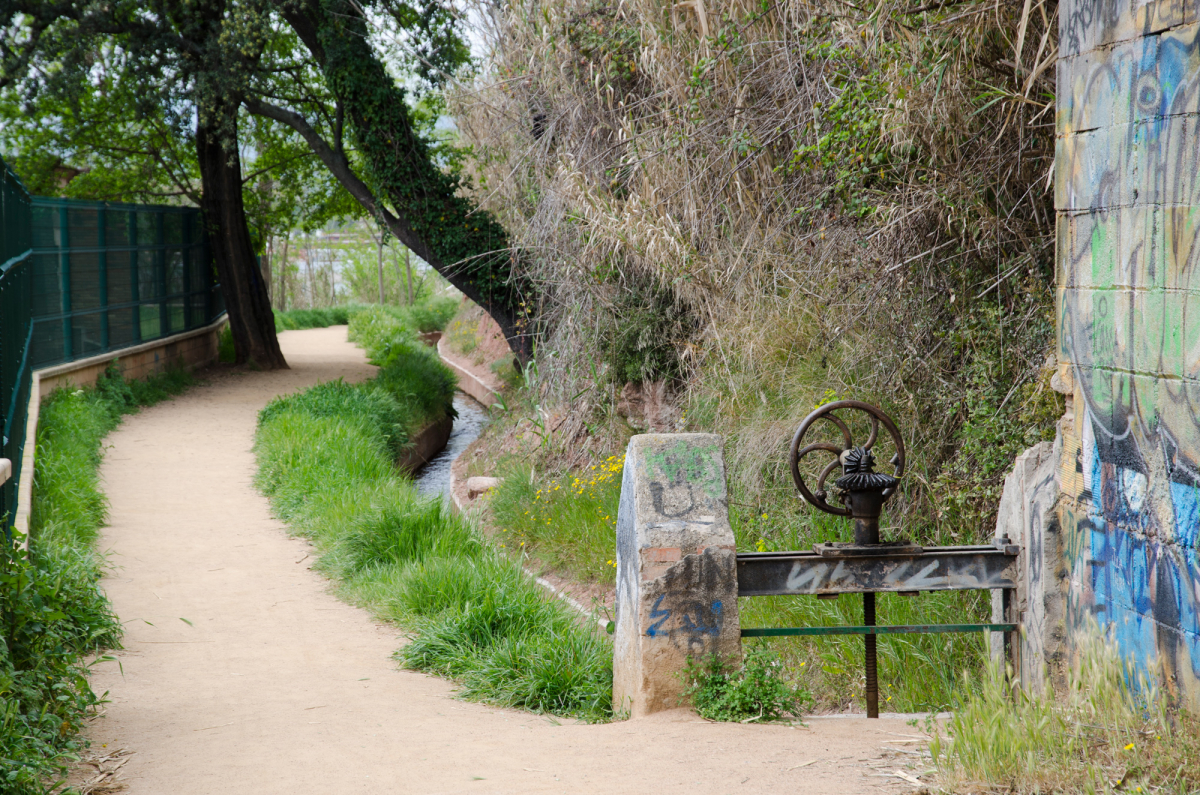
Typology/Elements
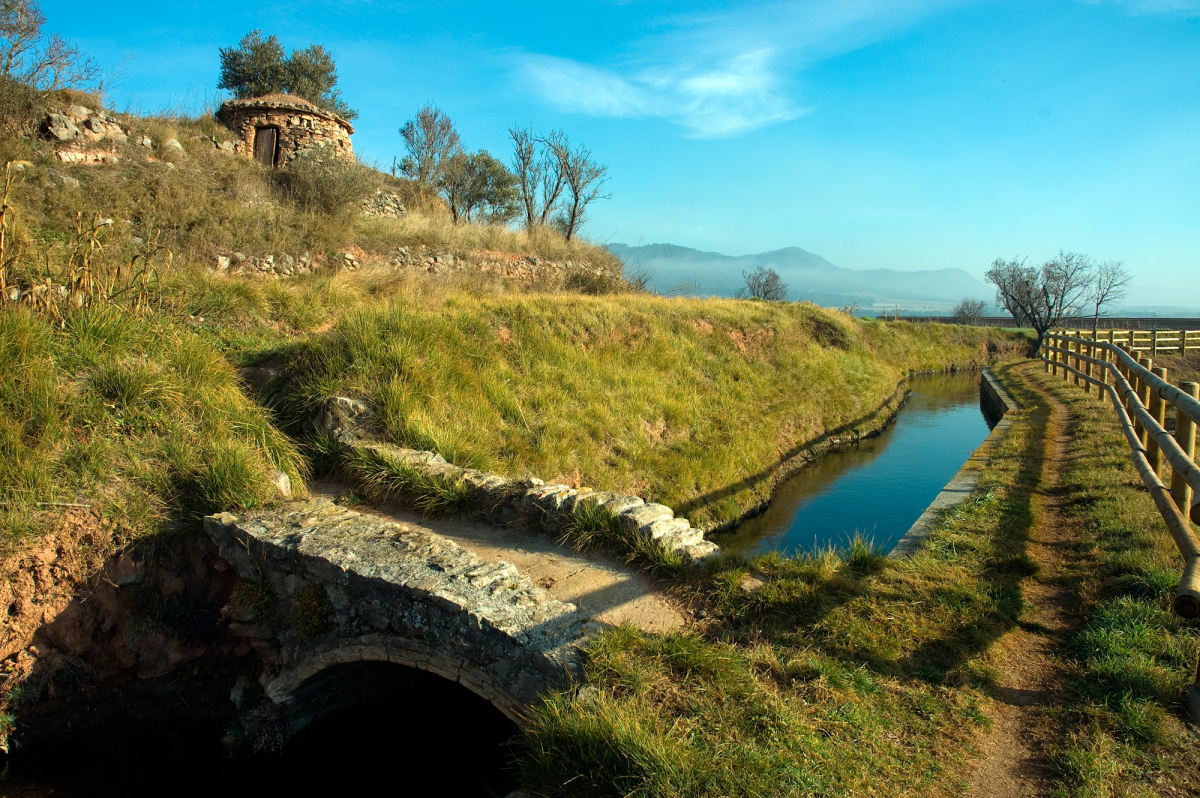
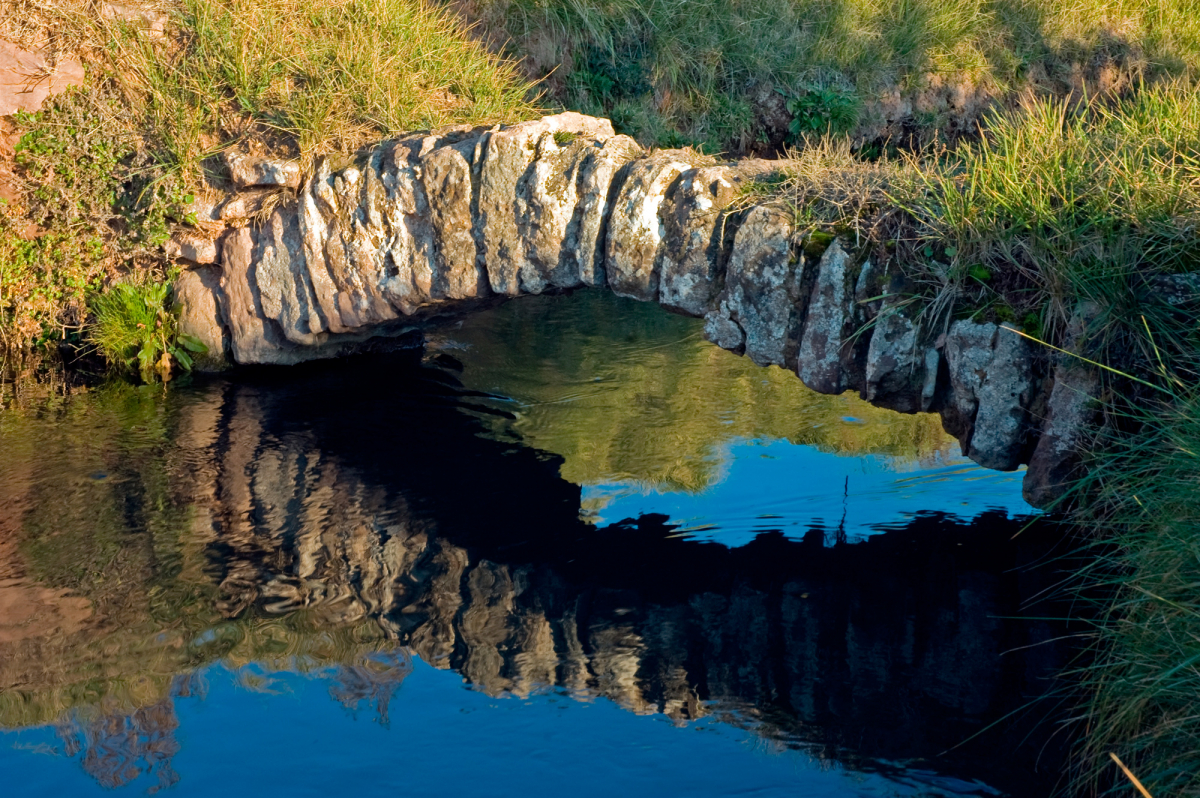
The route has a drop of 10 m and a flow of 1 m³/s and features 34 stone bridges and 70 small footbridges.
At the beginning of its route, the Séquia runs underground, in a riparian forest, until it comes out into the open. Along its route, it has overflow channels in case the water level rises too much. The Séquia ends its route at the Agulla reserve pond, which came into operation in 1974 and has a capacity of 200 million litres.
In addition to the gardeners or walkers who have always followed the canal, it is now a very popular location among sports enthusiasts.
Authorship
Architect Guillem de Catalonia.